 Ice Breaker Games
 What's Different
One team studies the other, turns around, and the other team makes small changes like rolling up sleeves or swapping positions. Tests how observant people really are.
Group Size:
10-30 people
Duration:
5-10 minutes
Difficulty:
Easy
How to Play:
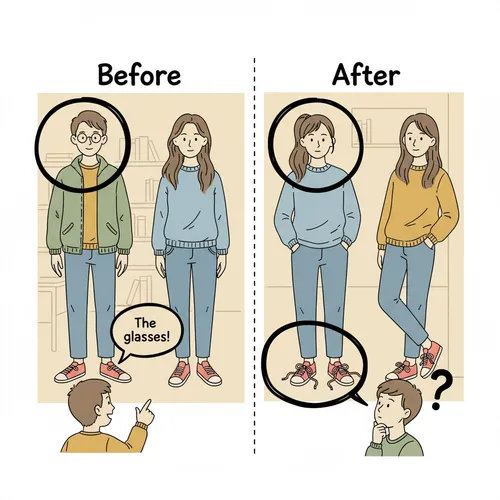
- 1
Divide the group into two teams. Have them stand facing each other in two lines
- 2
Give Team A 30 seconds to study Team B carefully - what they're wearing, how they're standing, everything
- 3
Team A turns around and closes their eyes. Team B has 1 minute to make 5-10 small changes
- 4
Changes can be: swapping positions with someone, rolling up a sleeve, taking off a watch, changing hairstyle, removing glasses
- 5
Team A turns back around and has 2 minutes to identify all the changes. Teams switch roles and play again
What’s Different turns simple observation into surprisingly intense competition. Divide into two teams facing each other. One team gets thirty seconds to memorize everything about the other team—clothing, posture, jewelry, hairstyles.
Then they turn around while the other team makes subtle changes. The hunt for differences creates immediate engagement. Someone rolled up a sleeve.
Two people swapped positions. That person definitely wasn’t wearing those earrings before. Watch as quiet observers become animated detectives.
The game works because everyone thinks they’re observant until proven otherwise. Students who’ve known each other for months suddenly realize they never noticed their classmate wears glasses. The competitive element keeps energy high, while the teamwork aspect forces collaboration.
Best For:
Attention to detail practice, memory training, quick energy boost, building observation skills, fun competition A friendly ice breaker game for teams and groups.
Pro Tips
-
Start with fewer changes (3-5) if your group is new to the game
-
Encourage subtle changes - it's more fun when they're not obvious
-
Let students be creative. Swapping shoes between two people is genius
-
Keep the energy high. Use a timer with a buzzer sound for urgency
-
Debrief afterward: What made something easy or hard to notice? What strategies worked?
Variations
-
Individual version: One person studies the room, leaves, group makes changes, person returns to find them
-
Silent mode: Guessing team can't talk to each other while finding changes
-
Points system: Award points for each correctly identified change, subtract for wrong guesses
-
Remote version: Team B turns off cameras, makes changes in their space, turns cameras back on
FAQ
- Why does What's Different work as an energizer?
- The competitive element gets everyone alert. People can't zone out when they're trying to memorize details about teammates. This ice breaker game wakes up a tired room faster than coffee.
- How many changes should teams make in What's Different?
- Start with 5-7 changes for beginners. Increase to 10+ as groups get better at observation. Too few changes makes it too easy; too many creates frustration.
- What makes a good change in What's Different?
- Subtle changes are more fun—rolled sleeves, swapped positions, removed jewelry. Avoid obvious changes like taking off a shirt. The goal is challenging, not impossible.
- Can shy students participate in What's Different?
- Absolutely. Being on the changing team requires no public speaking. And spotting changes can be done silently or by whispering to teammates. This ice breaker game works for all personality types.
- How do I keep What's Different fair between teams?
- Switch roles after each round. Use the same number of changes for both teams. Time everything equally. Fair competition keeps students engaged without complaints.
Related Games
Line Up Game
Line up by height, birthday, or name without talking at all. Shows who naturally leads and forces creative nonverbal communication.
Interview Partner
Interview your partner for a few minutes, then introduce them to the group. Takes pressure off shy people since they're talking about someone else, not themselves.
Conversation Starters
Small groups draw question cards and take turns answering - 'Tell me about a risk you took' or 'What's your hidden talent?' Gives structure to conversations so they naturally go deeper.
M&M Game
Pick colored candies where each color means a different sharing topic - red is favorite memory, blue is hidden talent. Makes sharing feel playful instead of forced.
Build Stronger Team Connections
Break the ice and foster closer relationships with our curated games.
Games